How to Find Urgent Furnace Repair in 5 Easy Steps

Updated: 5 days ago

When winter winds blow across Northern Utah, a sudden loss of heat is more than just an inconvenience—it threatens your family's safety and comfort.
Following a structured furnace repair framework ensures you resolve emergency heating failures swiftly while keeping your home safe.
Step 1: Identify Safety Red Flags and Warning Signs
Before grabbing your phone, perform a quick visual and sensory check. Knowing what to look for helps you communicate clearly with a technician and keeps your household out of harm's way.
Keep an eye out for these critical red flags:
Yellow Burner Flame: A properly operating gas burner produces a steady, crisp blue flame. A flickering or yellow flame indicates incomplete combustion, which often produces hazardous carbon monoxide (CO).
Soot Buildup or Odors: Black soot accumulation around the furnace cabinet or registers—or a distinct smoky, metallic smell—signals poor venting or a compromised component.
Loud Banging, Scraping, or Screeching Noises: Loud popping sounds upon ignition can indicate delayed gas ignition, while metallic scraping usually means a loosened blower wheel.
Carbon Monoxide Detector Alarm: If your CO detector sounds, treat it as a medical and home emergency immediately.
Rapid Short-Cycling: If your unit turns on and shuts off every couple of minutes without warming the home, safety limit switches are likely tripping to protect the unit from overheating.
If you suspect any serious health or safety risks, turn off the system at the thermostat or emergency switch immediately.
To learn more about identifying routine vs. urgent issues, check out our guide on how to Stay Cozy with Allstar Service and Repair Furnace Repair Services.
Step 2: Perform Quick Pre-Call System Checks
Before requesting an urgent dispatch fee, take five minutes to rule out accidental power or setting disruptions. You might just save yourself time and money!

Check the Thermostat: Ensure it is switched to "Heat" mode and set at least 5 degrees above the current room temperature. If the display is blank, replace the batteries.
Inspect the Air Filter: A completely clogged air filter restricts airflow, causing the high-limit switch to trip and shut down the burners. Replace dirty filters right away.
Verify the Circuit Breaker: Check your home's main electrical panel. If the heating circuit breaker has tripped to the middle position, flip it off once and firmly back on.
Confirm Power and Gas Switches: Ensure the local furnace switch (which looks like a standard light switch near the unit) hasn't been bumped off. If you have a gas furnace, verify the gas supply valve is aligned with the pipe (in the open position).
Step 3: Contact Local Furnace Repair Experts
If pre-checks don't solve the issue, it’s time to call in local professionals. You need a trusted team offering fast dispatch, flexible scheduling, and well-equipped service vehicles.
When searching for emergency heating assistance:
Look for guaranteed same-day response times during freezing weather.
Confirm that technicians travel with fully stocked trucks carrying universal igniters, flame sensors, pressure switches, capacitors, and thermostats. Having parts on hand ensures most repairs are completed on the very first visit.
Choose a licensed local contractor familiar with Utah’s specific winter climate challenges.
When you need immediate help, our team at All Star Service & Repair is standing by with dedicated Emergency Furnace Services to restore warmth to your property.
Step 4: Confirm Written Estimates and Service Scope
Never allow a technician to perform work without a clear, upfront diagnostic assessment and a written quote. Integrity and straightforward pricing mean you should know exactly what the job costs before anyone turns a wrench.
A professional furnace repair visit should follow a structured sequence:
Diagnostic Inspection: Testing electrical components, gas pressure, draft pressure, and safety switches.
Transparent Findings: Explaining the root cause of the breakdown in easy-to-understand terms.
Written Quote: A detailed estimate outlining parts, labor, and diagnostic costs with zero hidden fees.
Authorized Repair: Performing the repair only after you have reviewed and signed off on the price.
Step 5: Evaluate Repair vs. Furnace Replacement Options
Sometimes fixing an old unit isn't the best financial move. When faced with an expensive fix on an aging heating system, use the industry standard rules of thumb to determine whether to fix or upgrade:
The 15-Year Rule: Furnaces typically have a service life of 15 to 20 years. Beyond 15 years, major component failures tend to happen more frequently.
The 50% Threshold: If the estimated furnace repair quote exceeds 50% of the cost of a brand-new high-efficiency system, replacement usually makes more financial sense.
Frequent Breakdown History: If you've called for repairs multiple times over the past two seasons, ongoing fix costs will quickly outpace the cost of a modern system.
Decision Factor | Minor Repair Recommended | System Replacement Recommended |
System Age | Under 12–15 years | 15+ years |
Repair Cost vs. Replacement | Less than 30–50% of new unit cost | Exceeds 50% of new unit cost |
Safety Concerns | Faulty sensor, worn capacitor, dirty igniter | Cracked heat exchanger, persistent gas leak |
Energy Bills | Stable monthly utility costs | Skyrocketing fuel or electricity costs |
Overall Comfort | Even heat throughout the home | Cold spots, weak airflow, constant cycling |
For a complete breakdown on making this decision, consult our comprehensive guide on When to Repair vs Replace Your Furnace: A Homeowner's Guide.
Common Heating Failures and Professional Diagnostics
Modern gas and electric heating systems rely on a sequence of precise safety switches and controls. When one part wears out, the entire heating cycle stops to prevent damage or safety hazards.

Resolving Ignition Failures and Sensor Glitches
The single most common repair call we handle in Utah is intermittent ignition failure. You might hear your furnace click, see the burner ignite or glow, but after 2 to 5 seconds, the flame dies out completely.
This issue is frequently caused by:
Contaminated or Cracked Flame Sensors: Over time, carbon and oxidation build up on the microamp flame rod. If the sensor cannot detect the flame's electrical current, it signals the gas valve to shut off as a fire safety precaution. Cleaning or replacing this inexpensive part takes roughly twenty minutes.
Worn Hot Surface Igniters: Silicon nitride igniters crack or burn out over time, much like an old incandescent light bulb, preventing the burner from catching gas.
To explore other frequently failing components, read our overview of the 10 Most Frequently Replaced Parts During Furnace Repair.
Inducer Motor Wear and Pressure Switch Faults
Another widespread problem in modern high-efficiency units involves the draft inducer motor assembly. The inducer motor is a small fan that starts up first to pull dangerous combustion gases out of the heat exchanger and vent them safely through your flue pipe.
Around 12 to 15 years of age, inducer motor bearings begin to wear out, causing squealing noises or slow rotation speeds. When the inducer motor fails to build sufficient negative pressure, the pressure switch remains open and prevents the igniter from lighting.
Less experienced DIYers often misdiagnose pressure switch trips as control board failures—leading to unnecessary expense! A certified technician uses digital manometers to test exact pressure levels before replacing parts.
Cracked Heat Exchanger Risks and Carbon Monoxide Safety
The heat exchanger is the metal chamber inside your furnace where gas combustion takes place. Warm air blows over the outside of these metal tubes to heat your home, while combustion fumes stay safely inside the tubes and vent outdoors.

If a heat exchanger develops a crack or perforation from years of thermal expansion and stress:
Combustion gases—including odorless, poisonous carbon monoxide—can leak directly into the air circulating through your ductwork.
Unstable airflow inside the chamber disrupts combustion, creating soot deposits and turning burner flames yellow or flickering.
High-limit safety switches trip repeatedly due to overheating or restricted drafting.
A cracked heat exchanger cannot be safely welded or patched; it requires an immediate heat exchanger or full furnace replacement.
If you suspect a leak, shut off your system immediately, evacuate, and contact professionals equipped with specialized combustion analyzers.
Costs, Tax Credits, and Long-Term Prevention
Understanding heating repair expenses helps you budget effectively and avoid unexpected costs during a cold snap.
Average Repair Costs and Financing Options
The cost of furnace repair varies depending on the specific component, age of the equipment, and required labor:
Minor Fixes ($150 – $350): Flame sensor cleaning, igniter replacement, standard thermostat replacements, or simple pressure switch swaps.
Moderate Repairs ($350 – $750): Blower motor capacitor replacements, draft inducer assemblies, gas valves, or transformer fixes.
Major Component Repairs ($800 – $2,000+): Full variable-speed blower motor replacements, primary control board swap-outs, or heat exchanger replacements.
At All Star Service & Repair, we believe money shouldn't stand between your family and a safe home. We offer straightforward upfront pricing along with flexible financing options to make unexpected system repairs or replacements manageable.
Federal Tax Credits and Energy Rebates
While simple repair services don't qualify for tax incentives, replacing a failing, inefficient furnace with an upgraded model can qualify for significant federal energy savings under current 25C Energy Efficient Home Improvement credits:
High-Efficiency Gas Furnaces: Up to $600 in tax credits for qualifying models meeting high AFUE efficiency thresholds.
Qualifying Heat Pumps: Up to $2,000 in federal tax credits for eligible electric heat pump systems.
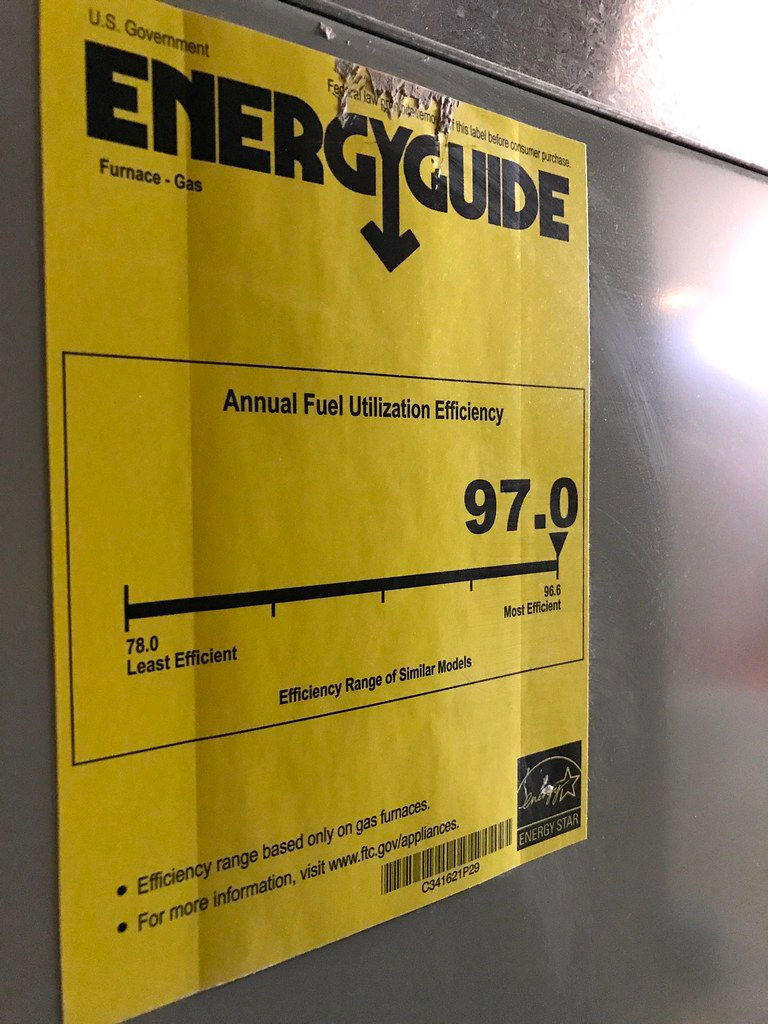
Pairing federal credits with local utility rebates lowers your initial equipment costs while dropping your ongoing energy costs. Learn how system ratings impact your wallet in our breakdown of Understanding Furnace Efficiency Ratings.
How Preventive Maintenance Avoids Urgent Furnace Repair
The easiest way to deal with an emergency heating failure is to prevent it from happening in the first place! Over 75% of winter heating emergencies stem from neglected maintenance and dirty components.
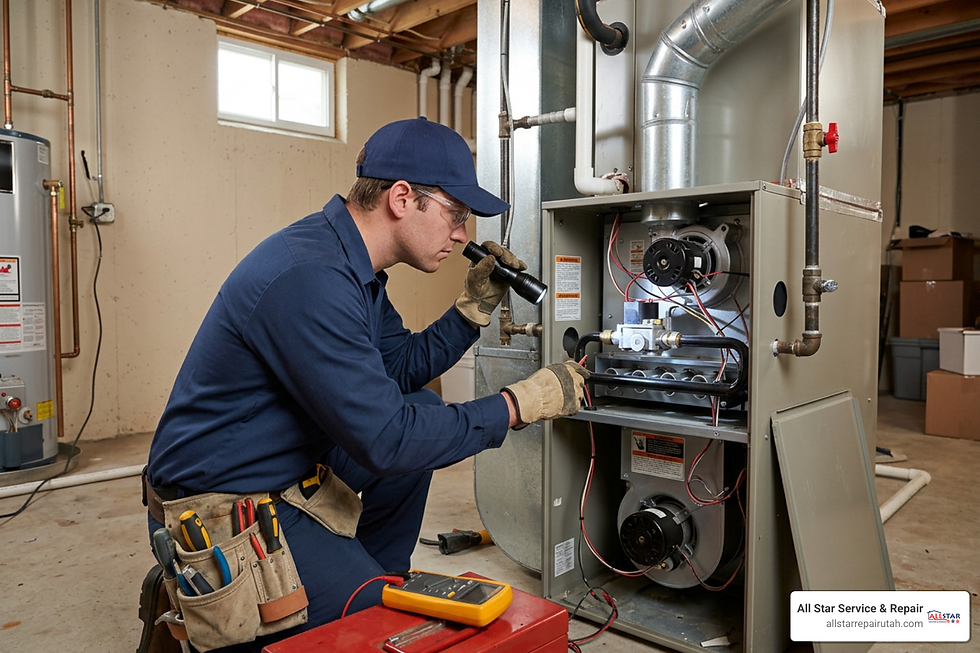
A comprehensive professional Furnace Tune-Up includes:
Cleaning and calibrating burner assemblies and flame sensors.
Inspecting heat exchangers with specialized cameras for hairline fractures.
Checking inducer draft pressure, gas valve operating pressure, and limit switches.
Testing blower motor amp draw, bearings, and electrical capacitors.
Replacing air filters and optimizing airflow dynamics.
Annual checkups lower utility bills, extend system lifespan, and catch minor wear before it leaves you stranded in the freezing cold.
Frequently Asked Questions About Heating Systems
How quickly can a technician respond to an emergency heating breakdown?
Response times depend on local weather severity, but quality contractors prioritize emergency calls during extreme cold snaps.
By keeping service vehicles fully stocked with universal igniters, control boards, sensors, and pressure switches, our technicians can diagnose and complete most standard repairs on the very first visit.
How do I know if my furnace has a carbon monoxide leak?
Because carbon monoxide is invisible and odorless, you must rely on secondary visual cues, system behavior, and detection equipment:
Your home's carbon monoxide alarm sounds.
Burner flames show a soft yellow or flickering orange color instead of crisp blue.
You notice soot or heavy rust buildup around flue pipes and register vents.
Household members experience unexplained flu-like symptoms (headaches, dizziness, nausea, fatigue) that dissipate when leaving the house.
If you suspect CO, turn off your unit immediately, open windows, evacuate the premises, and contact emergency services and a licensed technician.
Do technicians service all furnace brands and models?
Yes! Licensed HVAC specialists are trained to service, diagnose, and repair all major furnace makes, models, and fuel types—including natural gas, propane, electric, and heat pump systems.
Standard replacement parts like igniters, flame rods, contactors, transformers, and fan capacitors are universal across most major HVAC manufacturers.
Conclusion
When heating issues strike, taking prompt, practical action keeps your household safe and warm.
By checking basic power and thermostat settings first, watching for critical carbon monoxide warning signs, and contacting transparent local experts, you can navigate urgent furnace repair with total peace of mind.
Whether you need emergency diagnostics, standard maintenance, or a full system upgrade, All Star Service & Repair is dedicated to serving Northern Utah with integrity, straightforward pricing, and unmatched service.


Comments