HVAC Filter Replacement: Why It Matters in Winter

Picture this. It's the middle of January. Snow is piled up outside. Your furnace is running nonstop just to keep the house warm.
But something feels off. Certain rooms are colder than others, and your energy bill just went up.
The problem might not be your furnace at all. It could be something much smaller, and much easier to fix, hiding inside a vent or closet panel.
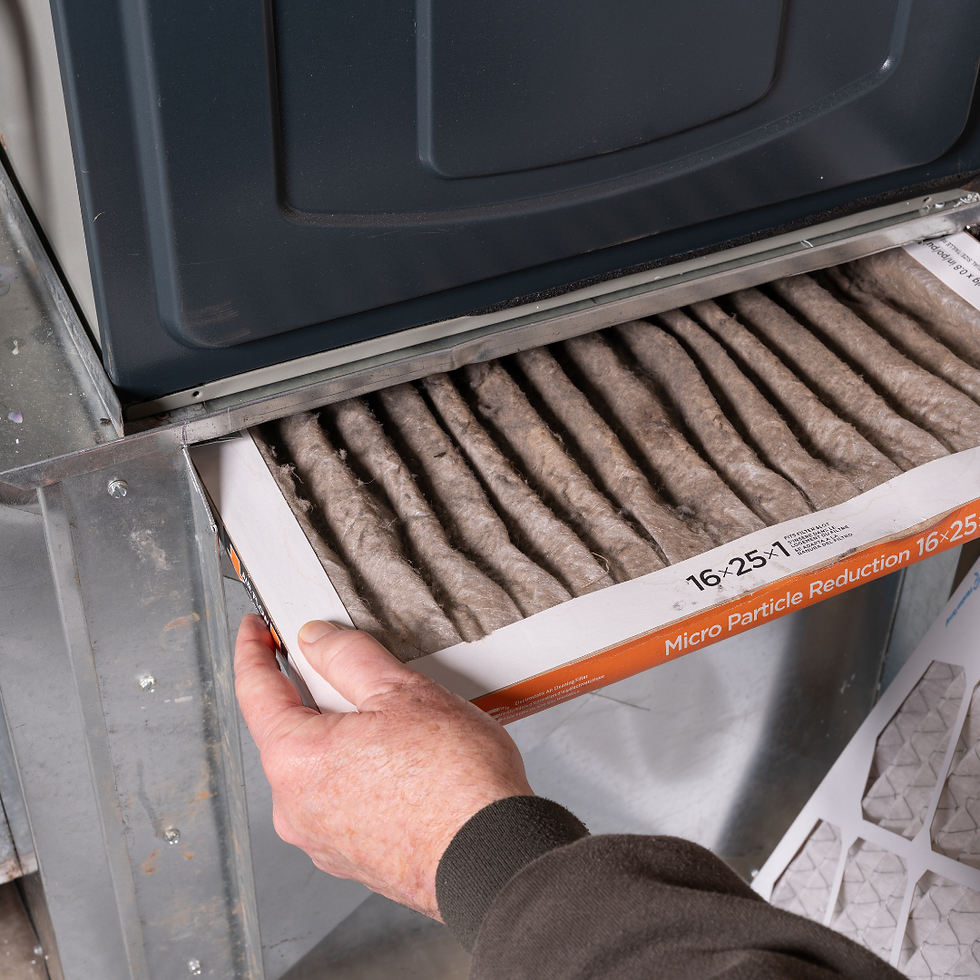
That small part is your HVAC filter. And here's the thing most homeowners don't realize: HVAC filter replacement becomes even more important once winter hits.
At Allstar Service & Repair, we've walked into hundreds of Utah homes over the years. Time and time again, we find the same problem hiding behind a closet door or in a hallway ceiling. A clogged, dusty filter that hasn't been changed in months, sometimes longer.
In this post, we'll break down why filter changes matter so much during Utah winters, how often you should be doing them, and what happens if you skip this simple task.
Why Utah Winters Are Extra Hard On Your HVAC System
Utah's climate is unique. We get cold, dry air rolling in from the mountains. We also deal with inversion season, when pollution and particles get trapped close to the ground along the Wasatch Front.
That combination means more dust, more debris, and more airborne particles getting pulled into your home's HVAC system.
Many Utah homes rely on the same ductwork and filter for both heating and cooling, so air conditioners and furnaces often share the exact same filter slot.
Your furnace filter is the first line of defense against all of that. It catches dust, pollen, pet hair, and other particles before they can clog up your system or spread through your air ducts.
When that filter gets packed full, your whole system has to work harder just to push air through it.
Think of it like trying to breathe through a straw that's slowly filling up with sand. That's basically what your furnace is dealing with when the filter is dirty. And it's not just your furnace that suffers.
Come summer, your ac unit will be pulling air through that same clogged filter, which means the problem doesn't disappear once winter ends.
What Happens When You Skip HVAC Filter Replacement
We get it. Changing an air filter isn't exactly exciting. It's easy to forget about, especially during the busy holiday season. But skipping regular HVAC filter replacement causes a chain reaction of problems.
Common Problems Caused By A Dirty Filter
Here's what a dirty filter can lead to:
Higher energy bills. Your system uses more power trying to push air through a clogged filter.
Reduced airflow. Some rooms in your home may feel colder than others.
More wear and tear. Your furnace motor works harder, which shortens its lifespan.
Poor indoor air quality. Dust and allergens build up and circulate through your home.
Costly repairs. A strained system is more likely to break down, especially during a Utah cold snap.
Frozen or overheated components. Restricted airflow can cause parts to overheat or freeze up completely.
We've seen homeowners call us in a panic during a January freeze because their furnace stopped working. More often than not, the culprit was a filter that hadn't been changed in six months or more. It's a simple fix, but ignoring it can turn into an expensive emergency call.
How Often Should I Replace My HVAC Filter?
This is one of the most common questions we hear from Utah homeowners. The honest answer is that it depends on a few things.
General rule of thumb: Most standard 1-inch filters should be replaced every 30 to 90 days. During winter, when your furnace runs almost constantly, you'll want to lean toward the shorter end of that range.
Factors That Affect Your Filter Change Schedule
Here are some factors that affect how often you need an HVAC filter change:
Type of filter. Basic fiberglass filters need changing more often than pleated or high-efficiency filters.
Pets in the home. Pet hair and dander clog filters faster.
Household size. More people means more dust and debris in the air.
Allergies or respiratory issues. If anyone in your home has allergies, more frequent changes help keep the air cleaner.
Inversion season. During Utah's winter inversion, outdoor air quality drops. That means your system pulls in more particles, so your filter fills up quicker.
If you're not sure, check your filter once a month. Hold it up to the light. If you can't see light passing through it, it's time for a change.
How Long Do HVAC Filters Last?
This question comes up almost as often as the last one. The lifespan of your filter really comes down to the type you're using.
Filter Lifespan By Type
Fiberglass filters: Usually last around 30 days.
Pleated filters: Typically last 60 to 90 days.
High-efficiency (HEPA-style) filters: Can last up to 6 months, depending on use.
Washable filters: Need cleaning every month but can last for years if maintained properly.
During Utah winters, we recommend checking your filter every 30 days. Do this even if the packaging says it lasts longer. The extra furnace runtime and dusty inversion air can shorten a filter's real-world lifespan.
Building A Simple HVAC Maintenance Checklist
Regular HVAC filter replacement is important, but it's just one piece of a bigger puzzle. Good residential HVAC maintenance keeps your whole system running efficiently through the cold months.
Here's a simple HVAC maintenance checklist you can follow at home:
Check your air filter monthly and replace it as needed.
Clear debris around outdoor units if you have a heat pump system.
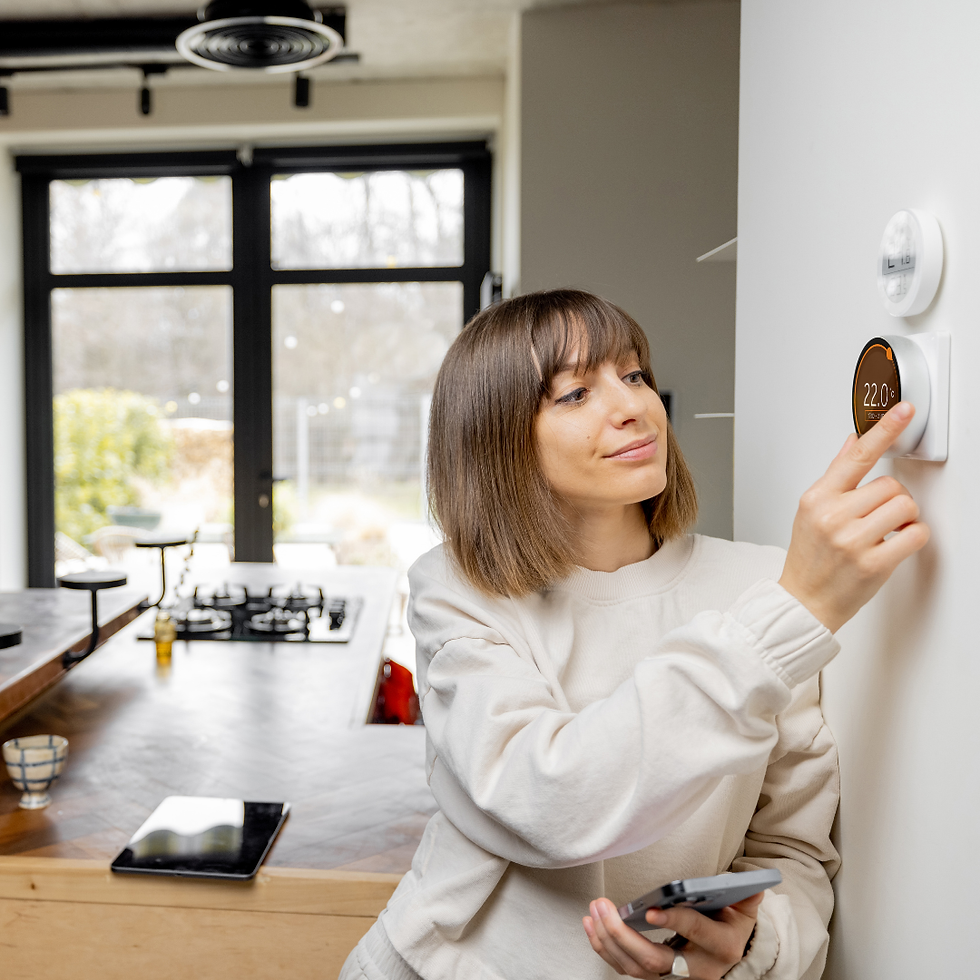
Test your thermostat to make sure it's reading temperatures accurately.
Inspect vents and registers for dust buildup or blockages.
Listen for strange noises coming from your furnace, like banging or squealing.
Schedule a professional tune-up once a year, ideally before winter hits.
Check your carbon monoxide detector batteries, especially with your furnace running more often.
Doing these small tasks throughout the year can help you avoid bigger, more expensive problems down the road.
Why Winter HVAC Maintenance Deserves Extra Attention
We know it's tempting to think about your furnace only when something goes wrong. But winter HVAC maintenance really should start before the first freeze.
Here in Utah, our winters bring snow, ice, and long stretches of freezing temperatures. Your furnace becomes the hardest working appliance in your home. A little bit of upkeep in the fall or early winter can save you from a breakdown when you need heat the most.
One thing we always tell our customers: don't wait until you smell something burning or notice your energy bill has doubled. By that point, the damage may already be done.
A quick HVAC air filter replacement and a seasonal check-up can catch small issues before they turn into big ones.
DIY Or Call A Professional?
Changing The Filter Yourself
Changing your HVAC filter is one of the easiest maintenance tasks you can do yourself.
Most filters slide right into place, and you don't need any tools. Just make sure you're using the correct size and checking the airflow arrow printed on the filter frame. That arrow should point toward your furnace.
Signs You Need A Professional
That said, there are some things that go beyond a simple filter swap. If you're noticing any of these signs, it might be time to call in a professional:
Uneven heating throughout your home
Strange smells or sounds coming from your furnace
Higher than usual energy bills
A furnace that's more than 10 years old
Visible ice or frost on outdoor components
Our team at Allstar Service & Repair has hands-on experience working with Utah homes of all shapes and sizes. We know how the local climate affects HVAC systems differently than in other parts of the country.
That kind of local, real-world experience makes a difference when it comes to keeping your home warm and your system running efficiently.
Quick Tips For A Healthier HVAC System This Winter
Here are a few extra tips to help your system perform its best all season:
Keep vents unblocked. Furniture and curtains can restrict airflow.
Seal drafts around windows and doors. This reduces strain on your furnace.
Use a programmable thermostat. It helps your system run more efficiently.
Don't crank the heat too high. Gradual temperature changes are easier on your system.
Keep an eye on your air filter. It's the easiest way to prevent bigger issues.
Small habits like these add up over the winter months and can extend the life of your HVAC system.
The Bottom Line
HVAC filter replacement might seem like a small task, but it plays a huge role in how well your furnace performs during Utah winters. A clean filter means better airflow, cleaner air, and a system that doesn't have to work overtime just to keep your home comfortable.
Between the dry mountain air, inversion season, and freezing temperatures, Utah homes need extra attention for HVAC maintenance.
Keeping up with filter changes and a simple maintenance checklist can save money. It can help prevent breakdowns and keep your family warm all winter.
If it's been a while since you've thought about your HVAC filter, or if you're not sure what type your system needs, our team at Allstar Service & Repair is happy to help.


Comments