Toilet Keeps Running? Stop Wasting Water Now


Have you ever walked past your bathroom and heard that familiar trickle of water? Maybe you jiggle the handle and it stops for a while, only to start again later. A toilet that keeps running is more than just annoying. It's quietly draining your wallet every single day.
Many homeowners don't realize how serious this problem really is. A constantly running toilet can waste up to 200 gallons of water every single day. That adds up to about 6,000 gallons per month. Just imagine paying for all that water to literally go down the drain.
The good news is that most running toilet causes are pretty simple to understand. Even better, many of them are fixable without breaking the bank. Let's dive into what's making your toilet run and how much it might be costing you.
How Much Water Does a Running Toilet Waste?
Before we talk about fixes, let's look at the numbers. They might surprise you.
Understanding running toilet water usage is eye-opening. A toilet running constantly can waste anywhere from 1 to 4 gallons per minute. That depends on how bad the problem is. Even a small silent toilet leak that you can barely hear wastes about 30 gallons each day.
Here's what that looks like on your water bill. If you're paying the average rate of $1.50 per 1,000 gallons, a running toilet adds about $9 to your monthly bill. That might not sound like much.
But over a year, you're looking at over $100 in wasted money. For a worse leak, that number could double or triple.
The environmental impact matters too. In areas facing water shortages, every gallon counts. Your running toilet might be wasting enough water to fill a swimming pool every few months.
The Most Common Causes of a Running Toilet
The Flapper: The Most Common Culprit
The flapper is a rubber seal at the bottom of your toilet tank. When you flush, it lifts up to let water rush into the bowl. Then it drops back down to seal the tank.
Over time, this rubber gets old and worn out. It might crack, warp, or get covered in mineral buildup. When that happens, water slowly leaks from the tank into the bowl. You might not even see it happening.
This is often why you have a toilet leaking into bowl situation. The leak is quiet and sneaky. You can test for this by putting a few drops of food coloring in your tank.
Wait about 15 minutes without flushing. If you see color in your bowl, you've got a flapper problem.
Replacing a flapper is one of the easiest toilet repairs. Most hardware stores sell universal flappers for under $10. The whole job takes about 10 minutes.
Toilet Fill Valve Problems That Keep You Up at Night
The fill valve controls how water enters your tank after you flush. When it works right, it fills the tank and then shuts off. When it doesn't work right, you get a toilet running randomly throughout the day and night.
Sometimes the fill valve gets stuck in the open position. Other times, the internal parts wear out and can't close properly. You might notice your toilet refilling itself every few minutes even though nobody flushed it.
A faulty fill valve also causes issues with water levels. If your toilet water level too high, water might be spilling into the overflow tube. That creates a constant flow that never stops.
Fill valves are a bit trickier to replace than flappers, but still doable for most homeowners. They cost between $10 and $30. If you're not comfortable doing it yourself, searching for "toilet repair near me" will connect you with local plumbers who can handle it quickly.
Float Problems and Water Level Issues
The float is a key component in your toilet tank that controls how much water fills after each flush. It signals the fill valve when to stop, keeping the water level just right.
When the float is misaligned, damaged, or waterlogged, your toilet can overfill, causing it to keep running continuously.
Common float problems that cause a running toilet include:
Float set too high, causing the tank to overfill
Float is damaged or waterlogged, so it can’t rise properly
Water spills into the overflow tube, keeping the fill valve open
Toilet never stops filling because the float doesn’t trigger the shutoff
Fixing float issues is usually a simple adjustment. Most floats have a screw or clip you can tweak to lower or raise the water level. Aim for the water to sit about one inch below the overflow tube, enough for a strong flush without wasting water.
The Overflow Tube Connection
The overflow tube is your toilet's safety feature. If water gets too high, it drains into this tube instead of flooding your bathroom. But if other parts are broken, water constantly drains through this tube.
Sometimes the tube itself cracks or comes loose. Other times, the refill tube that connects to it gets positioned wrong. When that happens, water goes straight down the overflow instead of filling the tank properly.
Check that your overflow tube is intact and properly connected. The refill tube should clip onto the side of the overflow tube, not hang down inside it.
Chain and Lift Arm Issues
The chain and lift arm connect your flush handle to the flapper, controlling how water leaves the tank during a flush. When either part is misaligned or damaged, your toilet may keep running even after flushing.
Common problems include:
Chain too long → gets tangled under the flapper
Chain too short → holds the flapper slightly open
Bent or corroded lift arm
Flapper doesn’t lift fully or stays open too long
Adjusting the chain length or replacing a faulty lift arm is usually quick and can stop a running toilet almost immediately.
When to Call for Emergency Toilet Repair
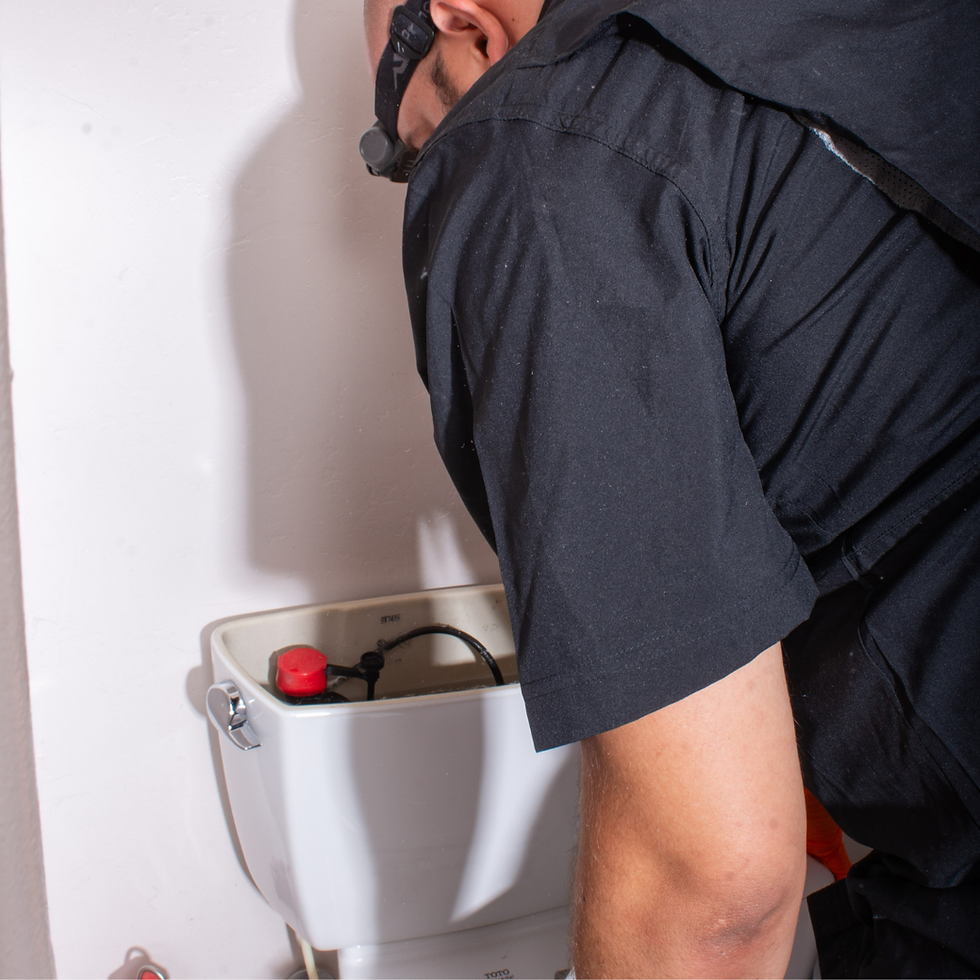
Most running toilet problems are easy to fix, but some situations require immediate professional help.
If you notice any of the following, it’s time to call a plumber to prevent water damage and costly repairs:
Water overflowing onto the floor
Toilet won’t stop running after basic fixes
Suspected cracks in the tank or bowl
Repeated issues despite part replacements
Understanding Toilet Repair Cost
Fixing a running toilet doesn’t have to be expensive. Costs can change based on the problem and if you do it yourself or hire someone.
Here’s a quick breakdown to help you understand what to expect:
DIY repairs: $5–$30 for parts like flappers or fill valves
Professional repairs: $150–$300 for common issues, including labor and parts
Ignoring the problem: Higher water bills and potential damage over time
Preventing Future Problems
You can avoid many toilet problems with simple maintenance.
Check internal toilet parts once or twice a year
Clean the tank to remove mineral buildup
Replace flappers every few years
Investigate running water sounds immediately
Stop Wasting Money on a Toilet That Keeps Running
A running toilet seems like a small annoyance, but the costs add up fast. Whether it's a worn flapper, fill valve problems, or a misaligned chain, these issues are usually simple to fix. The key is taking action before you waste thousands of gallons of water.
You don't have to tackle toilet repairs alone. At Allstar Service & Repair, our experienced plumbers have seen every type of running toilet problem imaginable.
We offer comprehensive plumbing services with honest assessments, upfront pricing, and fast repairs that last.


Comments