Corroded Plumbing Pipes: Time to Stop Patching
- Allstar Plumbing Heating & AC

- May 6
- 5 min read

If your home was built before 1980, there is a good chance it still has its original plumbing. That is decades of water flowing through the same pipes. Over time, those pipes break down. They corrode, rust, and eventually start causing real problems inside your home.
This guide will help you understand the signs of trouble, what causes pipe damage in older homes, and when it makes more sense to replace your pipes than to keep patching them. If you are a Utah homeowner dealing with plumbing problems in an older home, this is for you.
Why Older Utah Homes Are at Risk
Utah has hard water. That means the water running through your pipes carries high levels of minerals like calcium and magnesium. Over time, those minerals build up inside your pipes.
That buildup speeds up the aging process and makes old house plumbing issues much worse.
Most homes built before 1980 used either galvanized steel or copper pipes. Both types can last a long time. But both also have a lifespan. Once that lifespan ends, you start to see the damage.
The Problem with Galvanized Steel Corroded Plumbing Pipes
Galvanized pipes were the standard choice for homes built in the mid-1900s. They are coated with zinc to help prevent rust. The problem is that zinc coating wears off over time. Once it does, galvanized pipe corrosion begins and does not stop.
As the steel rusts from the inside out, it flakes into your water supply. That is what causes the brown water from faucet that many older homeowners notice. It is not just ugly. It can be a health concern too.
Galvanized pipes also narrow on the inside as rust builds up. This reduces water pressure throughout your water lines. It also makes those rusted pipes more likely to crack or burst.
What Happens to Copper Pipes Over Time
Copper was a popular upgrade from galvanized steel. It lasts longer and handles water pressure well. But corroded copper pipes are still a real problem, especially in homes with acidic or highly mineralized water.
When copper corrodes, it leaches small amounts of metal into your water. One of the first things homeowners notice is a metallic taste in tap water. If your water tastes like pennies, that is a sign your copper pipes may be breaking down.
Pinhole leaks are another common issue with aging copper. These tiny leaks can go unnoticed for months. By the time you find them, they may have already caused water damage inside your walls or floors.
Signs of Corroded Pipes You Should Not Ignore
The signs of corroded plumbing pipes are not always easy to spot. But if you know what to look for in your plumbing fixtures and around your home, you can catch problems early.
Here are the most common warning signs:
Discolored water: Brown, yellow, or red water coming from your taps is a red flag.
Metallic taste or smell: A coppery or rusty taste in your drinking water means metal is getting into your supply.
Low water pressure: Buildup inside corroded pipes restricts flow throughout your home.
Frequent leaks: If you keep fixing the same pipes, corrosion is likely spreading.
Stains on fixtures: Blue-green stains around faucets often point to copper corrosion.
Visible rust or buildup: Check exposed pipes in your basement or utility areas.
When Repairs Are No Longer Worth It
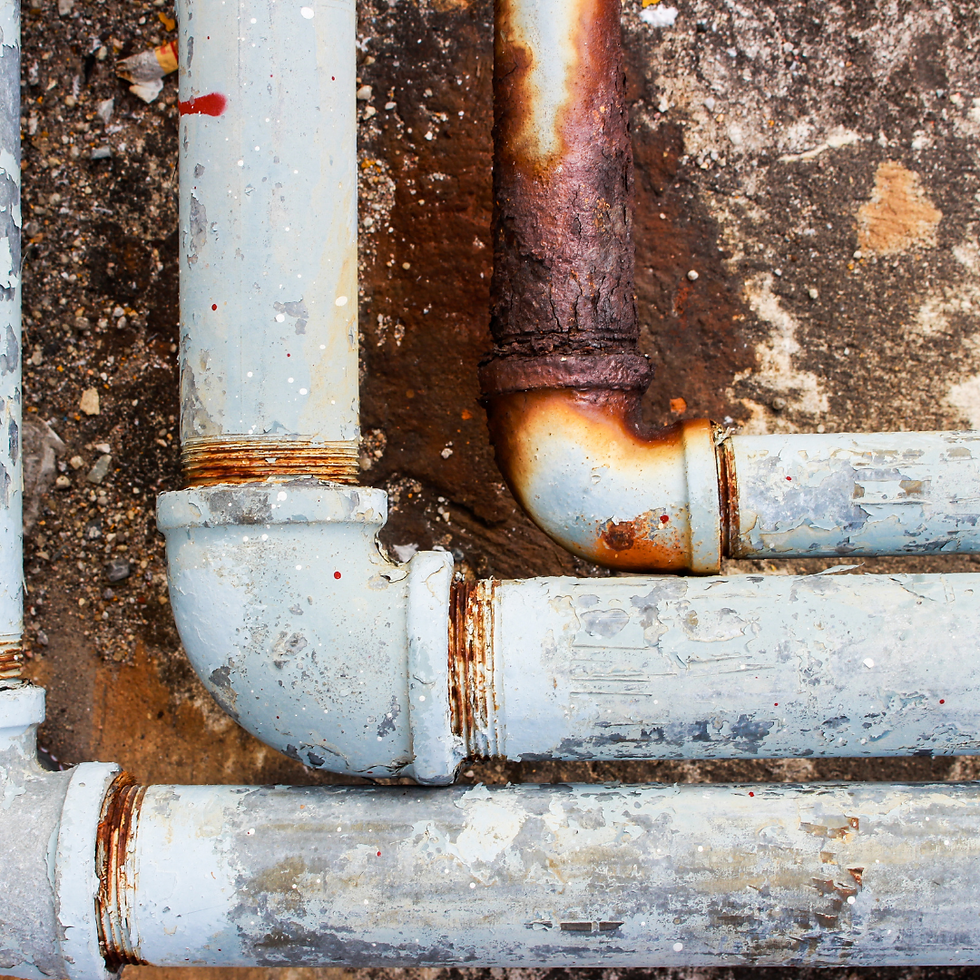
Patching a single leak makes sense. But rusted water pipes do not stop at just one spot.
When corrosion spreads through most of your plumbing system, repairs become a short-term fix for a long-term problem. You end up spending money again and again without solving the root issue.
At that point, replacing old water pipes is the smarter choice. It may feel like a big investment upfront. But it protects your home, improves your water quality, and saves money over time.
A licensed plumber can inspect your system and tell you how widespread the damage is. In some older homes, the sewer lines are just as worn as the supply pipes. If more than a third of your pipes show signs of corrosion, full replacement is usually the right call.
What Does Repiping a House Cost in Utah?
The repiping a house cost depends on several factors. The size of your home, the piping material being used, and how accessible your current plumbing is all play a role.
On average, homeowners in Utah can expect to pay between $4,000 and $15,000 for a full repipe. Larger homes or those with complex layouts will be on the higher end. Most contractors use PEX tubing today, which is flexible, durable, and less expensive than copper.
Think of repiping as a one-time investment. Once it is done, you will have clean water, reliable pressure, and peace of mind for decades to come. That is a much better deal than paying for repeated repairs on failing pipes.
Plumbing Upgrades for Older Homes: What Are Your Options?
If you are dealing with plumbing upgrades for an older home, you have a few solid options. The type of pipes you choose will affect both the cost and how long your new plumbing lasts.
Each option has pros and cons depending on your budget and the current state of your plumbing.
PEX Piping
PEX is the most popular choice for repiping today. It is flexible, resistant to scale and corrosion, and easier to install. That means lower labor costs for you.
Copper Piping
Copper is still a reliable option. It lasts a long time and is naturally resistant to bacteria. It costs more than PEX, but many homeowners prefer it for its track record.
CPVC Piping
CPVC is a type of plastic pipe that can handle hot water. It is affordable and easy to work with. It is a decent middle-ground option for many older homes.
How to Find the Right Plumber for Pipe Replacement
Finding a good plumber for pipe replacement is not just about price. You want someone with experience in older homes.
Ask if they have done full repipes before. Ask about warranties on parts and labor. And make sure they are licensed and insured in Utah.
A trustworthy plumber will do a thorough inspection before giving you a quote. They will explain what needs to be replaced and why. They will not push you toward a full repipe unless it is truly needed.
Ready to Get Answers About Your Home's Plumbing?
If you have noticed discolored water, low pressure, or a strange taste coming from your taps, do not wait. Those are signs your older home's plumbing needs attention now. The longer you wait, the more damage can spread.
Allstar Service & Repair specializes in diagnosing and fixing plumbing problems in older Utah homes.
Our licensed plumbers will inspect your system, give you an honest assessment, and walk you through your options. We do not believe in unnecessary work. We believe in doing the job right.


Comments