Plumbing Inspection Checklist: Save Money, Skip Repairs


Most homeowners don't think about their pipes until something goes wrong. A leaky faucet. A slow drain. Or worse, a flooded basement.
The good news is that many small plumbing issues show warning signs early. If you know what to look for, you can catch problems before they turn into big, costly repairs.
At Allstar Service & Repair, we've walked through thousands of homes over the years. We've seen small issues turn into major headaches simply because they went unnoticed.
That's why we put together this simple plumbing inspection checklist. Use it to check your home plumbing system before you pick up the phone to call a plumber.
Let's get started.
Why a Home Plumbing Inspection Matters
Your plumbing system works hard every single day. Pipes carry water in and out of your home nonstop. Over time, parts wear down. Connections loosen. Small drips start.
A quick home plumbing inspection helps you spot trouble early. It can save you money. It can also protect your home from water damage.
Think of it like checking the oil in your car. A few minutes now can prevent a much bigger problem later.
Home Plumbing Inspection Checklist
Step 1: Check Your Water Pressure
Start with your faucets. Turn them on one at a time.
Does the water come out strong and steady? Or does it sputter and slow down?
Low or uneven water pressure can point to a few different things. It might mean a clog somewhere in your pipes. It could also signal a hidden leak.
On the other hand, pressure that's too high can put stress on your pipes. Over time, this can lead to cracks and leaks.
If you notice water pressure problems in more than one part of your home, it's worth keeping an eye on. This is often one of the first signs that something needs attention.
Step 2: Look for Signs of a Water Leak
Leaks aren't always easy to spot. Sometimes they hide behind walls or under floors.
Here's what to check:
Look under sinks for damp spots or puddles.
Check around the base of your toilets for water stains.
Look at ceilings and walls for yellow or brown spots.
Smell for a musty odor in closets or basements.
Check your water bill. A sudden spike could mean a hidden water leak.
Even a small leak can waste a lot of water over time. It can also lead to mold, which is bad for your health and your wallet.
Step 3: Inspect Pipes and Fixtures
Grab a flashlight and check under every sink in your home. Look around the pipes for rust, corrosion, or dampness.
Also check your washing machine hoses. These wear out over time and can burst without warning.
While you're at it, take a look at your faucets, showerheads, and other plumbing fixtures. Do you see white or chalky buildup? This can be a sign of hard water, which can lead to plumbing issues down the road.
Step 4: Test Your Drains
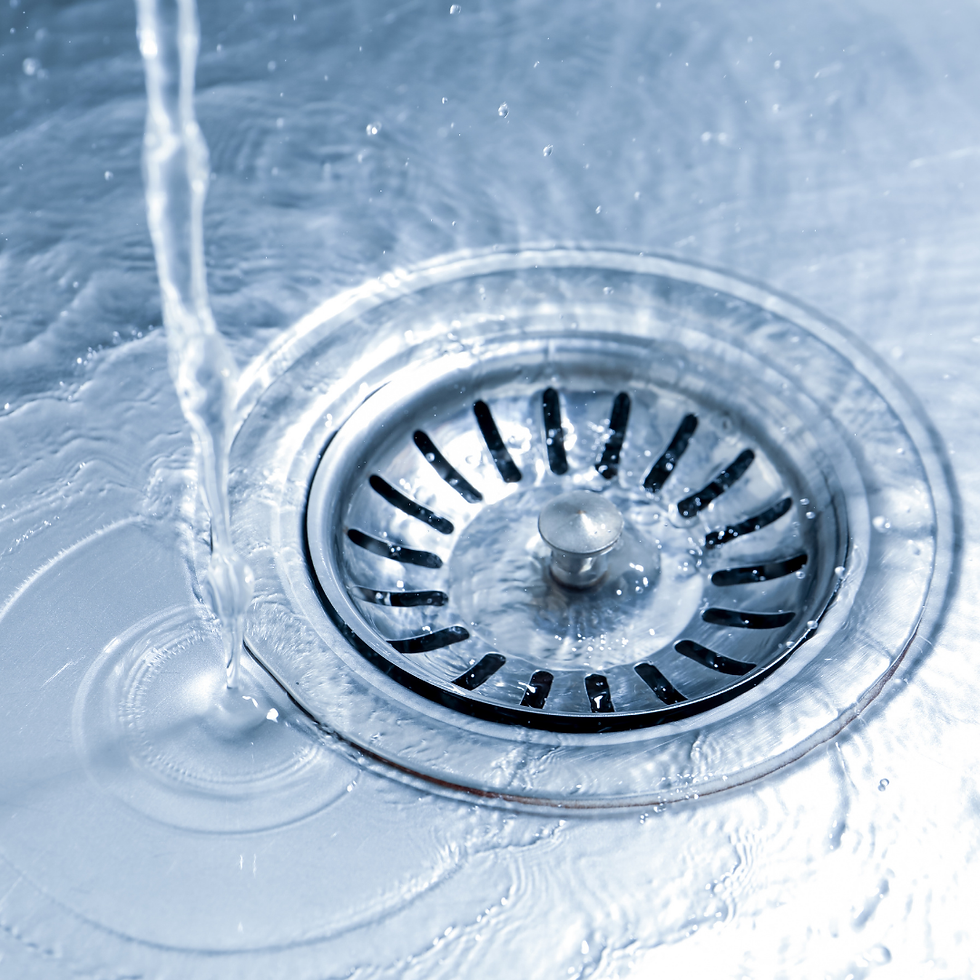
Slow drains are more than just annoying. They can be an early warning sign of bigger problems.
Run water in your sinks, tub, and shower. Watch how fast it drains.
If water backs up or drains slowly in more than one spot, it could mean a clog deeper in your plumbing system.
A single slow drain might be a quick fix. But slow drains all over the house, especially when paired with gurgling sounds, can point to a problem with your main sewer line.
That's usually a job for a professional, since the sewer line often runs underground and out to the street.
Step 5: Check Your Water Heater
Your water heater is a big part of your home plumbing setup. It's also easy to forget about.
Look for these warning signs:
Rust or corrosion on the tank
Puddles of water around the base
Strange noises like popping or rumbling
Water that takes longer than usual to heat up
Most water heaters last between 8 and 12 years. If yours is getting close to that age, it's smart to keep a closer eye on it.
A Simple Plumbing Maintenance Checklist
Want to stay ahead of problems?
Here's an easy plumbing maintenance checklist you can follow every few months:
Test the water pressure at every faucet.
Check under sinks and around toilets for leaks.
Look at exposed pipes for rust or wear.
Run water in every drain to check for slow draining.
Inspect your water heater for leaks or odd sounds.
Test your sump pump, if you have one.
Check outdoor faucets and hoses for drips.
Doing this a few times a year helps you catch plumbing issues early. It's one of the easiest ways to avoid an emergency plumbing repair down the road.
When to Call a Plumber
Some problems are easy to fix yourself. A clogged drain might just need a plunger. A loose connection might just need a wrench.
But other problems need a trained eye.
If you notice any of the following, it's time to call a licensed plumber:
Water pressure that stays low or runs too high
Signs of a leak you can't find or fix on your own
Slow drains in more than one part of your home
A water heater that's leaking or making strange noises
Water that looks discolored or has an odd smell
Catching these issues early can prevent costly damage. It also helps your plumbing system last much longer.
Let Allstar Service & Repair Help
Going through this plumbing inspection checklist is a great first step. But if something doesn't look right, you don't have to handle it on your own.
The team at Allstar Service & Repair has years of hands-on experience with every kind of plumbing repair, from small drips to full plumbing system checkups. We've seen it all, and we know how to fix it right the first time.


Comments