Why Your Tub is Draining Slow and How to Fix It Fast

Why Your Tub Is Draining Slow (And What to Do Right Now)

A slow draining tub fix is something most Utah homeowners can tackle themselves — if they know where to start.
Quick answer: How to fix a slow draining tub
Remove the drain stopper and pull out any visible hair or debris by hand
Plunge the drain with 2 inches of hot water in the tub and the overflow covered with duct tape
Try baking soda and vinegar — pour 1/2 cup of each, wait 10–15 minutes, flush with hot water
Snake the drain through the overflow plate to reach deeper clogs in the P-trap
Call a plumber if multiple drains are slow, you smell sewage, or DIY methods keep failing
You've probably noticed it gradually. A little water pooling around your feet. Then it takes a minute longer to drain. Then you're standing ankle-deep by the time you're done with your shower.
By April 2026, slow tub drains are still one of the most common household plumbing complaints — and the good news is that most cases have a simple fix.
Hair, soap scum, and mineral buildup are behind the vast majority of slow tub drains. These clogs typically form close to the drain opening, which means they're often reachable without special skills or expensive tools.
That said, a slow drain can occasionally signal something deeper — a blocked vent pipe, a clogged P-trap, or even a main sewer line issue. Knowing the difference matters before you start.
This guide walks you through everything: causes, DIY fixes, what to avoid, and when it's time to call in a pro.

Common Causes of a Slow Draining Tub
If you are standing in a puddle during your morning shower, you aren't alone. Most bathtub clogs aren't caused by a single event, but rather a slow accumulation of daily debris. According to experts at What to Do About a Slow Draining Bathtub, the primary culprits are almost always located in the first few feet of your plumbing.
Hair Mats: This is the number one cause. Hair (human and pet) falls out during washing and gets caught on the drain stopper or the crossbars of the drain. Over time, it weaves into a dense mat that acts like a net, catching everything else that goes down the drain.
Soap Scum: Modern soaps and body washes contain fats and oils. When these mix with the minerals in our Utah water, they create a waxy residue that coats the inside of your pipes, narrowing the opening.
Body Oils and Lotions: Much like grease in a kitchen sink, the oils from our skin and the moisturizers we use can solidify inside the pipes, creating a sticky surface that hair easily clings to.
Mineral Deposits: In many parts of Provo and Northern Utah, hard water is a reality. Over years, calcium and magnesium can build up inside pipes, particularly older metal ones, physically restricting the flow of water.
Foreign Objects: We've seen it all—shampoo caps, small toys, and even hair ties that accidentally find their way down the drain and create an immediate "anchor" for a clog.
Identifying the Source of Your Slow Draining Tub Fix
Before you grab the tools, listen and smell. Your tub might be trying to tell you where the problem lies.
If you hear gurgling sounds coming from the drain when the water is running, it often points to a venting issue. Your plumbing needs air to flow smoothly; if the vent pipe on your roof is blocked by a bird's nest or debris, the vacuum created causes that gurgling and slows down the drainage.
If you notice foul odors, it’s likely decaying organic matter (hair and skin cells) trapped in the P-trap—the U-shaped pipe beneath your tub designed to hold water and block sewer gases. For more on how these symptoms manifest in other parts of the home, check out this Slow Draining Sinks: A Homeowner's Guide.
The Difference Between Surface Clogs and Deep Blockages
Is it a simple fix or a major headache?
Surface Clog: The water pools immediately, but eventually drains away. You can often see hair tangled around the stopper. This is a prime candidate for a DIY slow draining tub fix.
Deep Blockage: If the water doesn't move at all, or if water backs up into the tub when you run the bathroom sink, the clog is likely further down the line or in the main sewer stack.
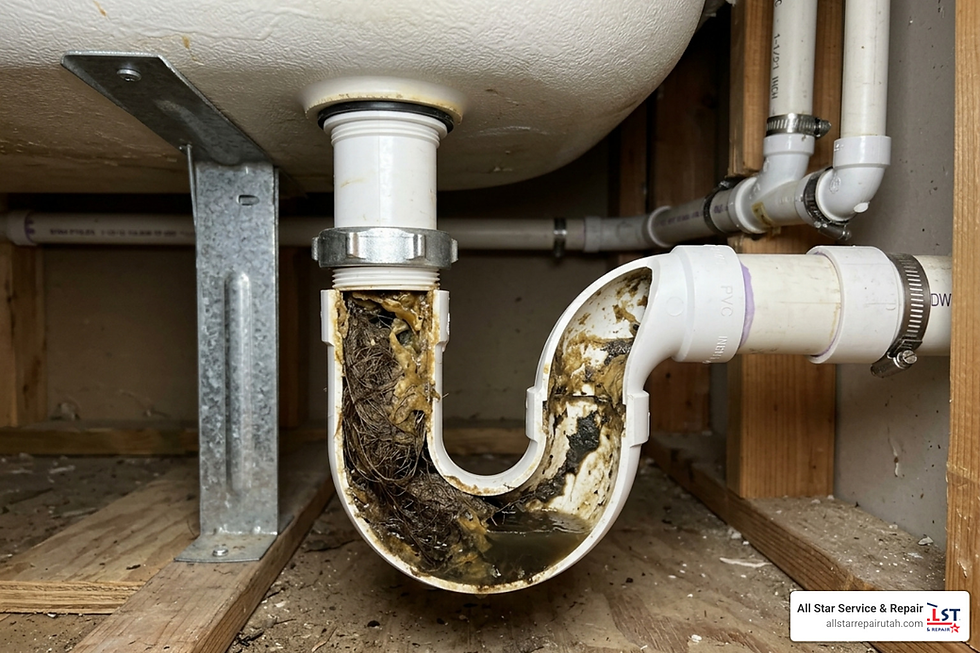
Essential Tools for a Slow Draining Tub Fix
You don't need a van full of equipment to clear a standard tub clog. Most of these items are probably already in your garage or under the sink.
Flat-Bottom Plunger: Unlike the "flange" plungers used for toilets, a standard cup plunger works best for the flat surface of a bathtub.
Screwdriver and Pliers: Essential for removing the overflow plate and the drain stopper.
Plastic "Zip" Snake: A cheap, serrated plastic strip that is incredibly effective at pulling hair out of the first few inches of the drain.
Plumber’s Auger (Snake): A 15-to-25-foot hand-cranked cable for reaching clogs in the P-trap or beyond.
Duct Tape: Used to seal the overflow drain while plunging (more on that in a moment).
Wet/Dry Vac: A powerful "secret weapon" for sucking out clogs that are stuck near the opening.

When to Avoid Chemical Drain Cleaners
It is tempting to pour a bottle of "Liquid Magic" down the drain and walk away. However, we strongly advise against this. As detailed in The Hidden Dangers of DIY Drain Cleaning, these chemicals are highly caustic.
They generate heat to dissolve clogs, which can soften PVC pipes or worsen corrosion in older cast iron pipes. Furthermore, if the chemical doesn't clear the clog, you are left with a tub full of toxic "acid water" that makes it dangerous for a plumber (or you) to work on later. Professional plumbers often refuse to service a drain immediately after chemicals have been used due to the risk of chemical burns.
The Baking Soda and Vinegar Method
If you want a safer, eco-friendly alternative, the "science project" method actually works for minor soap scum buildup.
Pour 1 cup of baking soda down the drain.
Follow it with 1 cup of white vinegar.
Plug the drain and let the fizzing reaction work for 15 minutes.
Flush with a kettle of boiling water.
The chemical reaction helps break down the "glue" holding the hair and soap scum together, making it easier to flush away.
Step-by-Step DIY Methods to Restore Water Flow
Let’s get to work. Most people can achieve a successful slow draining tub fix by following these steps in order of difficulty. As noted by This Old House, starting with the simplest mechanical removal is usually the most effective path.
1. Manual Stopper Cleaning
Many clogs live right on the stopper.
Lift-and-turn stoppers: Unscrew the top knob and remove the screw underneath.
Pop-up stoppers: These often pull straight out or require a slight wiggle.
The Fix: Once removed, you'll likely find a "hair monster" attached to the bottom. Pull it off with pliers, clean the stopper with a brush, and see if the drainage improves.
2. The Plastic Snake (Zip Tool)
If cleaning the stopper didn't work, insert a plastic zip tool into the drain. Push it in as far as it will go, give it a twist, and pull it back. This is often the most satisfying part of the job—you'll likely pull out a long, wet clog of hair that was sitting just past the crosshairs.
How to Use a Plunger for a Slow Draining Tub Fix
If the clog is further down, you need pressure. But here is the secret: you must seal the overflow.
Remove the overflow plate: This is the silver disk on the tub wall below the faucet.
Seal the hole: Stuff a wet rag into the overflow hole or cover it tightly with duct tape. If you don't do this, the air will just escape through the overflow instead of pushing against the clog.
Add water: Fill the tub with about 2 inches of water to create a seal around the plunger cup.
Plunge: Push down and pull up vigorously for about 30 seconds. The "pulling" action is often more effective at loosening the clog than the "pushing" action.
Snaking the Drain Through the Overflow
If the plunger fails, it’s time to go deep. Don't snake through the main drain; the angles are too sharp. Instead, go through the overflow. This provides a straighter path to the P-trap. If you've ever had to fix a sink drain when it's draining slowly, you know that reaching the trap is the key to success.
Remove the overflow plate and linkage: Pull out the metal rod (linkage) attached to the plate.
Feed the snake: Insert the cable into the overflow pipe until you feel resistance.
Crank it: Turn the handle clockwise while applying forward pressure. You are trying to hook the clog or break it up.
Retrieve: Pull the cable back slowly. Have a bucket and rags ready—it’s going to be messy!
Long-Term Maintenance and Prevention Tips
Once you've achieved your slow draining tub fix, you'll want to make sure you don't have to do it again next month. Prevention is much easier than repair.
Install a Hair Catcher: This is the single best thing you can do. A silicone or mesh strainer that sits over or inside the drain can catch 90% of hair before it enters the pipes.
Weekly Boiling Water Flush: Once a week, pour a gallon of boiling water down the drain to melt away any fresh soap scum or body oils before they harden.
Brush Before You Bathe: Brushing your hair before getting in the shower reduces the amount of loose hair that ends up in the tub.
Animal Care: If you wash your dog in the tub, put a wet rag over the drain or use a dedicated pet-hair strainer.
The Role of Regular Drain Cleaning
Think of your drains like the oil in your car. You shouldn't wait for the engine to seize before you change it. The Role of Regular Drain Cleaning cannot be overstated. By performing monthly maintenance, you extend the life of your plumbing and prevent the "emergency" standing-water situations that always seem to happen right before you have guests over.
Maintenance Routines for Older vs. Newer Homes
In Northern Utah, we have a mix of historic homes and brand-new developments. The "health" of your drains depends heavily on what they are made of.
Older Homes (Cast Iron/Galvanized Steel): These pipes are prone to internal rusting and scale. The inside of the pipe becomes rough like sandpaper, which snags hair instantly. These drains require more frequent flushing and gentler DIY methods to avoid causing leaks.
Newer Homes (PVC): While PVC is smooth and resists corrosion, it can still be damaged by excessive heat or harsh chemicals. DIY Tips for Keeping Your Drains Clean and Clear usually focus on keeping these lines free of grease and soap buildup.
Frequently Asked Questions about Slow Bathtub Drains
How long should a bathtub normally take to drain?
A standard bathtub should empty in about one to two minutes after a shower. If you have a full tub (for a soak), it might take 3–5 minutes. If you still have standing water five minutes after pulling the plug, you definitely have a clog.
Can I use a wet/dry vacuum to unclog a tub?
Yes! In fact, this is often more effective than a plunger. Remove the stopper, set the vacuum to "liquid" mode, and create a tight seal between the vacuum hose and the drain using a wet rag. The suction can often pull a hair clog right out of the pipe.
Why is my tub gurgling when it drains?
As we mentioned earlier, gurgling is almost always an air pressure issue. Your plumbing system is "vented" through a pipe that goes out your roof. If that vent is blocked, the drain will pull air from the nearest source—the tub drain itself—creating that glug-glug-glug sound. This usually requires a professional to clear the vent from the roof.
Conclusion
A slow-draining tub is more than just a nuisance; it’s a sign that your plumbing system needs a little TLC. While many of these fixes are well within the reach of a determined homeowner, some clogs are simply too deep or too stubborn for DIY tools.
If you’ve tried the plunger, the snake, and the baking soda, and you’re still standing in ankle-deep water, it’s time to call in the experts. At All Star Service & Repair, we pride ourselves on our integrity and transparency. We serve Provo and all of Northern Utah with straightforward pricing and superior service.
Whether you need a quick snaking or a more advanced Emergency Drain Service, we are here to get your bathroom back in working order fast. Don't let a slow drain ruin your routine—give us a call today!


Comments