Breathe Easy: How a Home Humidifier Can Improve Your Comfort

Updated: Aug 26
As the seasons change, most homeowners focus on adjusting the temperature inside their homes. During colder months, the furnace works harder to keep every room warm and comfortable. During warmer weather, air conditioning helps create relief from the heat.
However, temperature is only one part of maintaining a comfortable indoor environment.
Humidity also plays an important role in how your home feels.

When indoor air becomes too dry, it can affect everything from your skin and sinuses to your sleep and overall comfort. Dry air is particularly common during the winter, when heating systems run more frequently and remove moisture from the air.
You may notice dry, itchy skin, irritated eyes, a scratchy throat, or even frequent static shocks when walking across the room.
A home humidifier can help restore balance by adding moisture to dry indoor air.
Whether you need humidity in a single room or throughout your entire house, the right system can make your living space feel more comfortable and may help reduce some of the common effects associated with overly dry air.
This guide from Allstar Service & Repair explores how a home humidifier works, the benefits it can provide, the different types available, and what to consider when choosing the right option for your home.
The Impact of Dry Indoor Air
Indoor humidity levels can change throughout the year. In colder weather, outdoor air naturally holds less moisture. When that air enters your home and is heated by your furnace, it can become even drier.
While dry air may seem like a minor inconvenience, prolonged exposure can make your home feel uncomfortable and contribute to several common issues.
Respiratory Discomfort
Your nose and throat rely on moisture to function comfortably. When the air is excessively dry, the delicate tissues in your nasal passages and throat can become irritated.
This may lead to:
A dry or scratchy throat
Nasal irritation
Congestion
Increased coughing
Dry nasal passages
General discomfort when breathing
Dry air does not necessarily cause respiratory illnesses, but it can make existing symptoms feel more uncomfortable. People with allergies, asthma, or other respiratory sensitivities may notice that dry indoor conditions aggravate irritation.
Maintaining balanced indoor humidity can help create a more comfortable environment for breathing, especially during the winter months when the heating system is running regularly.
Dry, Itchy Skin
One of the most noticeable effects of dry indoor air is its impact on your skin. Low humidity can cause moisture to evaporate more quickly, leaving your skin feeling dry, tight, itchy, or flaky.
For some people, this seasonal dryness becomes a recurring problem every winter. Individuals with sensitive skin may also find that dry conditions make irritation more noticeable.
A home humidifier can help increase moisture levels indoors, creating an environment that may help your skin retain more of its natural hydration.
Dry and Irritated Eyes
If your eyes frequently feel itchy, red, or uncomfortable at home, dry air may be contributing to the problem.
Indoor heating, air conditioning, and naturally dry weather can reduce the amount of moisture in the air. This may cause tears on the surface of your eyes to evaporate more quickly, resulting in dryness and irritation.
Adding moisture to the air with a properly maintained humidifier can make indoor conditions feel more comfortable, particularly in bedrooms and other areas where you spend extended periods of time.
Static Electricity
Have you ever touched a doorknob and received an unexpected zap? Static electricity is often more noticeable when indoor humidity is low.
Dry air allows electrical charges to build up more easily on surfaces and clothing. As humidity levels increase, static electricity tends to become less of a problem.
While reducing static shocks may not be the main reason to install a home humidifier, it is certainly a welcome benefit for many homeowners.
Discomfort Throughout Your Home
Dry air can affect your overall sense of comfort in ways that are not always immediately obvious.
You may wake up with a dry throat, feel uncomfortable while sitting in your living room, or notice that your skin feels irritated even when your thermostat is set to the ideal temperature.
This is why indoor comfort is about more than heating and cooling. Proper humidity can help create a more balanced indoor environment and make your home feel more pleasant throughout the year.
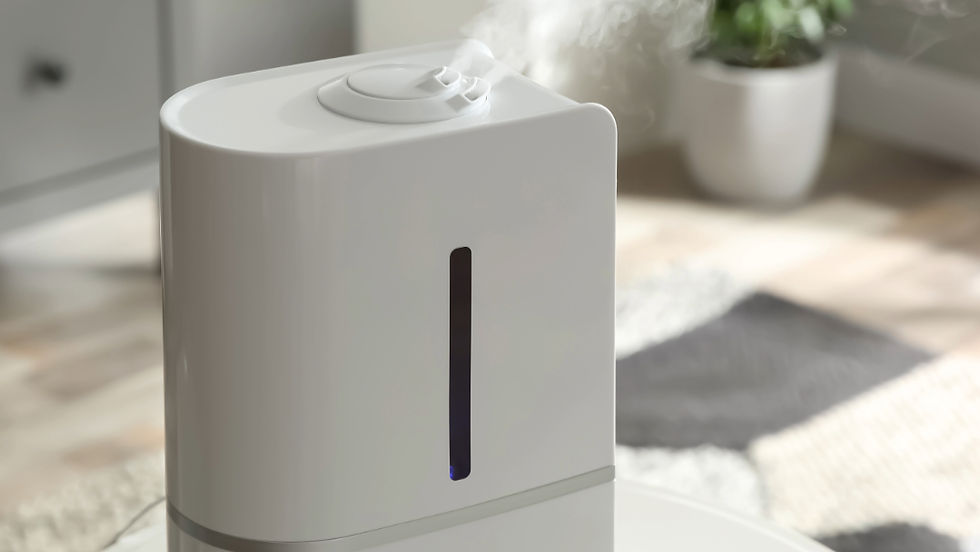
How a Home Humidifier Adds Moisture to Your Indoor Air
A home humidifier works by releasing moisture into the air to increase indoor humidity levels. Depending on the type of system, this moisture may be distributed as a cool mist, warm mist, or through your home's HVAC system.
The goal is not to make the air excessively humid. Too much moisture can also create problems, including condensation and conditions that may encourage mold growth. Instead, the goal is to maintain a balanced and comfortable level of indoor humidity.
When properly used and maintained, a humidifier can provide several important benefits.
Helps Soothe Dry Respiratory Passages
Adding moisture to dry air can help relieve the uncomfortable feeling associated with dry nasal passages and throats.
Humidified air may also help loosen mucus, making congestion feel easier to manage. This can be especially helpful during the winter or when seasonal illnesses are common.
For homeowners who wake up with a dry throat or frequently experience nasal dryness, using a humidifier in the bedroom may improve nighttime comfort.
Supports Healthier-Looking Skin
Dry indoor conditions can pull moisture away from your skin. A humidifier helps increase the amount of moisture in the air, which may reduce the drying effects of indoor heating.
While a humidifier is not a replacement for proper skincare or medical treatment, maintaining balanced humidity can help make your indoor environment more comfortable for your skin.
Reduces Eye Discomfort
A comfortable humidity level may help prevent the air from feeling excessively dry around your eyes. This can be particularly beneficial for people who spend long hours reading, working on computers, or relaxing indoors.
If dry eyes continue to be a persistent problem, it is important to speak with a qualified healthcare professional to identify the underlying cause.
May Improve Sleep Comfort
Dry air can make sleeping uncomfortable. A dry throat, irritated nasal passages, or general respiratory discomfort can make it harder to relax at night.
Using a home humidifier in the bedroom may create a more comfortable sleeping environment. Some homeowners find that maintaining balanced humidity helps them wake up feeling less dry and uncomfortable.
Reduces Static Electricity
By increasing moisture in the air, a humidifier can help reduce the buildup of static electricity. This means fewer unpleasant shocks when touching metal surfaces, changing clothes, or walking across carpeted floors.
It is a small benefit, but it can make everyday life more comfortable during particularly dry seasons.
Cool Mist vs. Warm Mist Humidifiers
When choosing a home humidifier, one of the first decisions you may need to make is whether you prefer a cool mist or warm mist model. Both options add moisture to the air, but they do so in different ways.
Understanding the differences can help you choose the best solution for your household.
Cool Mist Humidifiers
Cool mist humidifiers release room-temperature moisture into the air. They are commonly used in bedrooms, living spaces, and other areas where homeowners want to increase humidity without generating heat.
Benefits of Cool Mist Humidifiers
Cool mist humidifiers can offer several advantages:
They are often energy efficient.
They do not produce hot water or steam.
They can be a practical option for homes with children or pets.
Many models are suitable for larger rooms.
They do not increase the temperature of the room.
There are different types of cool mist humidifiers, including ultrasonic and evaporative models. Each has its own maintenance requirements and operating characteristics.
Things to Consider
Some models may produce mineral residue, sometimes called white dust, if the water contains high levels of minerals. Using distilled or appropriately treated water may help, depending on the manufacturer's recommendations.
Regular cleaning is also essential. A humidifier that is not properly maintained can develop bacteria, mold, or mineral buildup.
Warm Mist Humidifiers
Warm mist humidifiers heat water before releasing moisture into the air. The warm mist can feel particularly soothing during cold weather.
Benefits of Warm Mist Humidifiers
Homeowners may prefer warm mist models because:
The warm moisture can feel comforting during colder months.
Heating the water can reduce some microorganisms present in the water before the moisture is released.
They may operate more quietly than some evaporative humidifiers.
Things to Consider
Because warm mist humidifiers use heated water, they may pose a burn or scalding risk if accidentally tipped over or touched while operating. This can make placement especially important in homes with young children or pets.
They may also use more energy than certain cool mist models because energy is required to heat the water.
Ultimately, both cool and warm mist humidifiers can effectively increase indoor humidity when used correctly.
Portable vs. Whole-Home Humidifiers
Another important decision is whether you need a portable unit or a whole-home humidification system.
Portable Humidifiers
Portable humidifiers are designed to provide moisture to a specific area, such as a bedroom, office, nursery, or living room.
They can be a good choice if:
You only need humidity in one or two rooms.
You want a lower initial investment.
You need the flexibility to move the unit between rooms.
You are renting and cannot modify your HVAC system.
However, portable units require regular refilling, cleaning, and maintenance. Their effectiveness is also limited by the size of the space they are designed to serve.
Whole-Home Humidifiers
A whole-home humidifier is integrated with your heating and cooling system. Instead of adding moisture to a single room, it can help maintain balanced humidity throughout your home.
A whole-home system may be a good option if dry air affects multiple rooms or if you want a more consistent solution.
Some potential benefits include:
More consistent humidity throughout the house
No need to move portable units between rooms
Less frequent manual refilling
Integration with your existing HVAC system
Improved control over indoor humidity levels
Professional installation can help ensure that your whole-home humidifier is properly sized and connected to your HVAC system.
Choosing the Right Home Humidifier for Your Needs
With so many models and features available, choosing the right home humidifier can feel overwhelming. The best option depends on your home's size, your comfort needs, and how much maintenance you are prepared to perform.
Here are several important factors to consider.
Consider the Size of the Area
Humidifiers are designed to cover specific room sizes or home sizes. A unit that is too small may struggle to provide enough moisture, while an oversized unit could add more humidity than necessary.
Before choosing a humidifier, consider the square footage of the room or home you want to humidify.
For a whole-home system, an HVAC professional can help determine the appropriate capacity based on factors such as your home's size, layout, insulation, and existing heating and cooling equipment.
Think About Your Preferred Mist Type
Both cool and warm mist options can improve indoor humidity.
Your decision may depend on:
Safety concerns
Energy use
Room temperature
Noise preferences
The location where the humidifier will be used
A cool mist model may be a practical choice for households with children or pets, while some homeowners prefer the comfort of warm mist during cold weather.
Understand the Maintenance Requirements
Every home humidifier requires some level of maintenance.
Depending on the model, this may include:
Refilling the water reservoir
Cleaning the tank regularly
Replacing filters or other components
Checking for mineral buildup
Following manufacturer recommendations for proper operation
Consistent cleaning is essential for maintaining good indoor air quality. Standing water can become a breeding ground for microorganisms if a humidifier is neglected.
If you prefer a system with less hands-on maintenance, a whole-home humidifier may be worth considering.
Consider Noise Levels
If you plan to use a humidifier while sleeping, noise can be an important factor.
Ultrasonic humidifiers are often quieter than certain evaporative models, although noise levels vary by product. Checking manufacturer specifications and reviews can help you find a model suitable for bedrooms or quiet spaces.
Look for Helpful Features
Modern humidifiers may include features such as:
Adjustable humidity settings
Automatic shutoff
Built-in humidistats
Digital controls
Low-water indicators
Easy-to-clean reservoirs
Smart home compatibility
These features can make it easier to maintain comfortable humidity levels without constantly monitoring the system.
Avoid Adding Too Much Humidity
While dry air can be uncomfortable, too much humidity can also create problems.
Excess moisture can contribute to condensation on windows and other surfaces. Over time, excessive indoor humidity may create conditions that support mold and mildew growth.
A humidifier should be used to maintain balanced moisture levels, not to make the air feel damp.
A humidistat can help monitor indoor humidity and prevent over-humidification. If you notice condensation on windows, damp surfaces, or a musty smell, it may be a sign that humidity levels need to be adjusted.
Proper sizing, installation, and maintenance are especially important for whole-home systems because they affect the entire indoor environment.
Keep Your Home Humidifier Clean and Well Maintained
A humidifier can only provide its intended benefits when it is properly maintained.
For portable units, follow the manufacturer's cleaning recommendations and avoid allowing water to sit in the reservoir for extended periods. Regularly changing the water and cleaning the tank can help prevent buildup.
Whole-home humidifiers should also be inspected and maintained regularly. Components such as water panels, filters, and drainage systems may require seasonal service.
Proper maintenance can help:
Maintain efficient performance
Reduce mineral buildup
Support cleaner operation
Extend the life of the equipment
Ensure your system is adding moisture effectively
If you are unsure how to maintain your whole-home humidifier, a qualified HVAC technician can inspect the system and recommend the appropriate service.
Improve Indoor Comfort with Allstar Service & Repair
A comfortable home is about more than maintaining the right temperature. Indoor humidity can have a significant effect on how your home feels, particularly during dry winter months when your heating system is working overtime.
The right home humidifier can help add moisture to dry air, reduce static electricity, support more comfortable skin and respiratory conditions, and create a more pleasant environment throughout your home.
Whether you need a portable solution for one room or a whole-home humidification system connected to your HVAC equipment, choosing the right option can make a noticeable difference in your everyday comfort.
At Allstar Service & Repair, our experienced technicians can help you explore your options and determine whether a whole-home humidifier is the right solution for your indoor comfort needs.
We can also help ensure that your humidification equipment is properly installed and works effectively alongside your heating and cooling system.
If dry indoor air is making your home less comfortable, contact Allstar Service & Repair today to learn more about your home humidifier options.
Let our team help you create a healthier, more balanced, and more comfortable indoor environment so you can truly breathe easy at home.


Comments