Go With the Flow with a New Commercial Water Pressure Regulator

Updated: Oct 10
Why Every Commercial Building Needs a Water Pressure Regulator

A commercial water pressure regulator is one of the most important — and most overlooked — components in any commercial plumbing system.
Here's the quick answer:
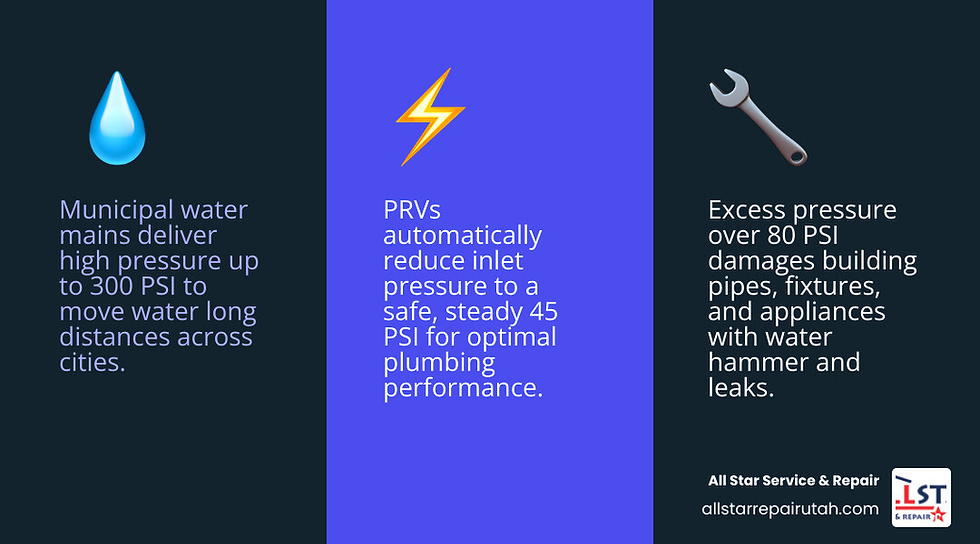
A commercial water pressure regulator (also called a PRV, or pressure reducing valve) automatically reduces high incoming water pressure from the municipal main to a safe, steady level for your building
Without one, pipes, fixtures, and appliances take a beating from pressure that can exceed 150 psi or more
Most commercial PRVs are factory set to deliver around 45 psi downstream, and can handle inlet pressures up to 300 psi
Leading options include the Cla-Val 90 Series, Cash Acme E-3, and Watts LF26A — each suited to different building sizes and applications
Proper pressure regulation also reduces water waste and extends the life of your plumbing system
Municipal water supply lines are built to move water across long distances under high pressure. That's great for the city grid — but not for your building's pipes, faucets, or water heater.
Too much pressure causes water hammer, pipe noise, rapid fixture wear, and costly leaks. A quality commercial PRV sits between the street and your building, quietly keeping everything in check.
Whether you manage a hotel, office complex, or retail space in Utah, understanding how these valves work can save you from expensive emergency repairs down the road.
Understanding the Commercial Water Pressure Regulator
At its core, a commercial water pressure regulator is a specialized valve designed to provide hydraulic stability.
As of April 2026, the technology behind these valves has become incredibly precise, allowing building managers to dial in exact pressure requirements regardless of how much the city’s supply pressure fluctuates.
How Hydraulic Reduction Works
When water enters your building from the municipal main, it often arrives at a "raw" pressure that is far too high for standard faucets and appliances. The regulator uses a spring-loaded diaphragm and a valve plug to create a physical barrier.
As the downstream pressure (the water inside your building) reaches the desired set point, the valve closes. When you turn on a tap and the pressure drops, the valve opens back up to "recharge" the system.
According to technical specifications for Water Pressure Reducing Valves - Watts, these devices are essential for protecting downstream plumbing components.
By maintaining a steady downstream pressure, they prevent the "stress" that high-velocity water puts on pipe joints and seals.
The Benefits of Steady Pressure
We often see commercial clients in Provo and Northern Utah dealing with "water hammer"—that loud banging sound when a valve closes. This is a classic symptom of high pressure. By installing a high-quality regulator, you achieve:
Fixture Longevity: Faucets, flush valves, and commercial dishwashers last years longer when they aren't being blasted by 100+ psi.
Consumption Reduction: Lower pressure means less water flows through the tap per minute, significantly lowering utility bills.
Safety Standards: Modern commercial units must meet rigorous standards, such as ASSE 1003 and IAPMO certification, ensuring they are safe for potable water systems and built to withstand the rigors of industrial use.
Key Types and Features of a Commercial Water Pressure Regulator
Not all regulators are created equal. In a commercial setting, the "one size fits all" approach usually leads to a flooded basement or a very unhappy building owner.
Essential Features to Look For
When we help our clients select a commercial water pressure regulator, we look for several key technical features:
Lead-Free Construction
This isn't just a suggestion; it’s a requirement for potable water. High-quality forged lead-free brass bodies are the industry standard for durability and health safety.
Anti-Cavitation Technology
In high-pressure drop scenarios (where you are dropping pressure by a massive margin), bubbles can form and "implode" inside the valve, causing damage. Specialized models like the Cla-Val 90-01KO are designed specifically to prevent this.
Oversized Orifices
Units like the LF26A - Watts feature oversized orifices, which are ideal for small process applications like beverage dispensing or ice machines where consistent flow is critical.
Advanced Control Options
Modern valves can include solenoid shut-offs for emergency closure or surge control to handle sudden spikes in the municipal line.
Rugged Internals
Look for Viton trim for heat resistance (up to 180°F in some models) and stainless steel springs that won't corrode over time.
The E-3 Water Pressure Regulators - Residential/Commercial line is a great example of a yoke-type design that allows the regulator to close against inlet pressure, resulting in much quieter operation.
Commercial Water Pressure Regulator Brands
Choosing the right brand often comes down to the specific application, whether it's a small restaurant or a massive industrial complex.
Feature | Cla-Val 90 Series | Cash Acme E-3 | Watts LF26A |
Primary Use | Large Water Distribution | Demanding Commercial/Industrial | Small Process/General Purpose |
Max Inlet Pressure | Varies (High Capacity) | Up to 300 psi | Up to 300 psi |
Factory Preset | Custom/Adjustable | 45 psi | 15 psi (Adjustable 3-50) |
Best For | Hydraulic Precision | Reliability & Quiet Operation | Compact Equipment/Ice Machines |
Configurations | Dozens of specialized pilots | Over 150 sizes/types | 2-way and 3-way options |
As of April 2026, these three brands remain the gold standard for performance. Cash Acme is particularly well-known for its century-long history of manufacturing, while Watts offers incredible versatility for specialized equipment like humidifiers and drinking fountains.
Choosing a Commercial Water Pressure Regulator
Selecting the right valve is a bit of a balancing act. You have to consider:
Flow Rate: If the valve is too small, you'll have a pressure drop when everyone in the building uses water at once.
Inlet-to-Outlet Ratio: If the gap between the street pressure and your building pressure is too wide, you might need two regulators in series to prevent cavitation.
Application: Is this for an HVAC system or potable water? For a standard 3/4 inch commercial line, a product like the 3/4 Pressure Regulator Product is often the perfect fit for balancing performance and cost.
Connection Type: Most commercial units use NPT threading, though some newer models feature SharkBite or flange connections for faster installation.
Installation and Maintenance Best Practices
A commercial water pressure regulator is only as good as its installation. We have seen many high-end valves fail prematurely because they were slapped into a system without the proper supporting components.
Professional Installation Requirements
In Northern Utah, we follow strict codes to ensure your system remains safe. Key installation steps include:
Upstream Strainers
This is non-negotiable. Small bits of sediment or "pipe scale" from the city main can get stuck in the regulator's seat, preventing it from closing. A strainer catches this debris before it ruins your valve.
Thermal Expansion Tanks
When you reduce pressure, you create a "closed system." When your water heater runs, the water expands, but it has nowhere to go because the PRV acts as a check valve. You must have a thermal expansion tank to prevent your T&P valve from leaking.
Gauge Monitoring
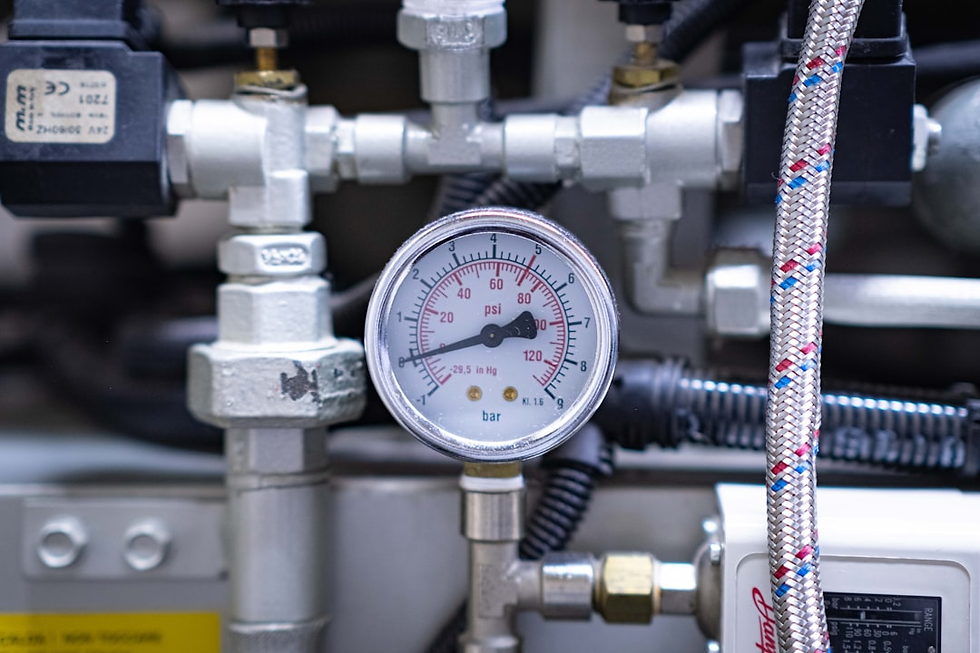
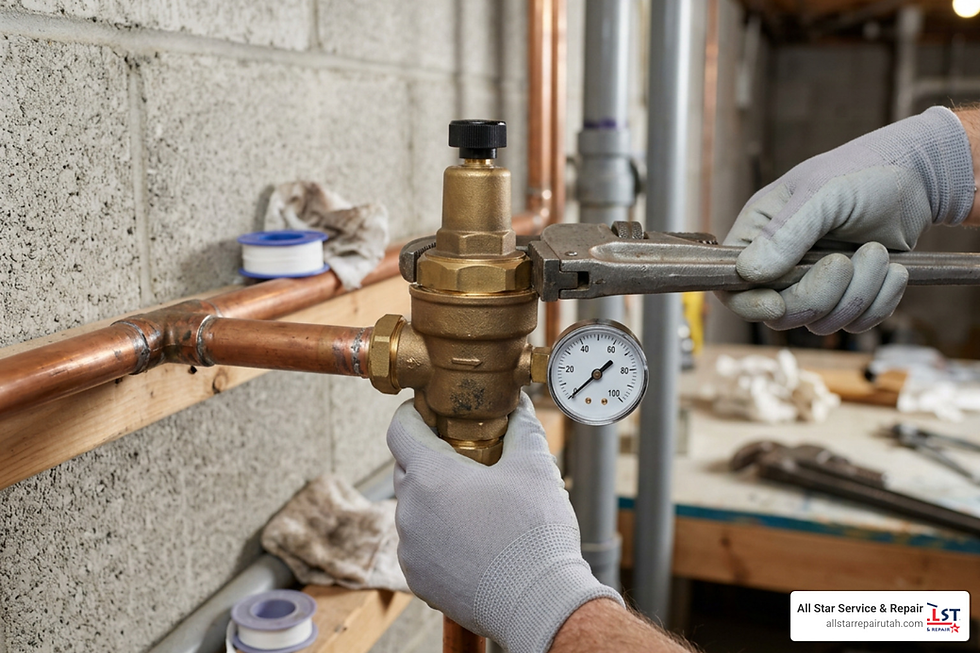
We always recommend installing a gauge on the outlet side (or using a PRV with a built-in gauge port). This allows you to see at a glance if the pressure is creeping up. You can find various options at Water Pressure Regulators - Grainger Industrial Supply.
Maintenance for Long Service Life
Don't "set it and forget it." To get the most out of your investment, we recommend:
Annual Performance Testing: Once a year, check the static pressure (when no water is running) to ensure the valve isn't "creeping" past its set point.
Diaphragm Replacement: The internal rubber diaphragm flexes thousands of times a year. Eventually, it will wear out. Replacing this small part is much cheaper than replacing the whole valve.
Strainer Cleaning: Periodically flush the upstream strainer to maintain full flow volume.
For more information on the different models we service, check out our Pressure Regulators Category page.
Frequently Asked Questions about Commercial PRVs
What is the standard factory setting for a commercial regulator?
Most commercial units, such as the Cash Acme E-3, come factory preset at 45 psi. However, these are highly adjustable.
Depending on the height of your building (every foot of height requires about 0.43 psi to lift the water), we may adjust them between 10 and 60 psi to ensure the top floor has plenty of flow.
Why is lead-free construction required for these valves?
As of April 2026, federal and state regulations mandate lead-free brass or stainless steel construction for any component in a potable water system.
This prevents lead from leaching into the drinking water, ensuring your building remains compliant with modern health and safety standards.
How do I know if my commercial regulator is failing?
The most common signs of a failing commercial water pressure regulator are:
Water Hammer: Banging or vibrating pipes when faucets are turned off.
Inconsistent Pressure: High pressure in the morning that drops off significantly during the day.
Leaking: Water dripping from the "bell" or spring cage of the valve, which usually means the internal diaphragm has ruptured.
High Utility Bills: An unexplained spike in water usage often points to high pressure forcing more water through fixtures than necessary.
Conclusion
Managing a commercial property is hard enough without having to worry about a pipe bursting in the middle of the night. A robust commercial water pressure regulator is your building's first line of defense against the unpredictable forces of municipal water mains.
At All Star Service & Repair, we pride ourselves on integrity, transparency, and straightforward pricing.
We aren't just here to sell you a valve; we’re here to ensure your entire plumbing system is balanced, efficient, and safe. Whether you are in Provo or anywhere in Northern Utah, our experts are ready to help you "go with the flow."
Comments